Diferenca Entre Zero Conditional E First Conditional

(Episode 7: Zero conditional and First conditional) (Photo by me!) You know, I love books. And coffee. If I have a good book and a cup of Turkish coffee in bed, I stay there u...
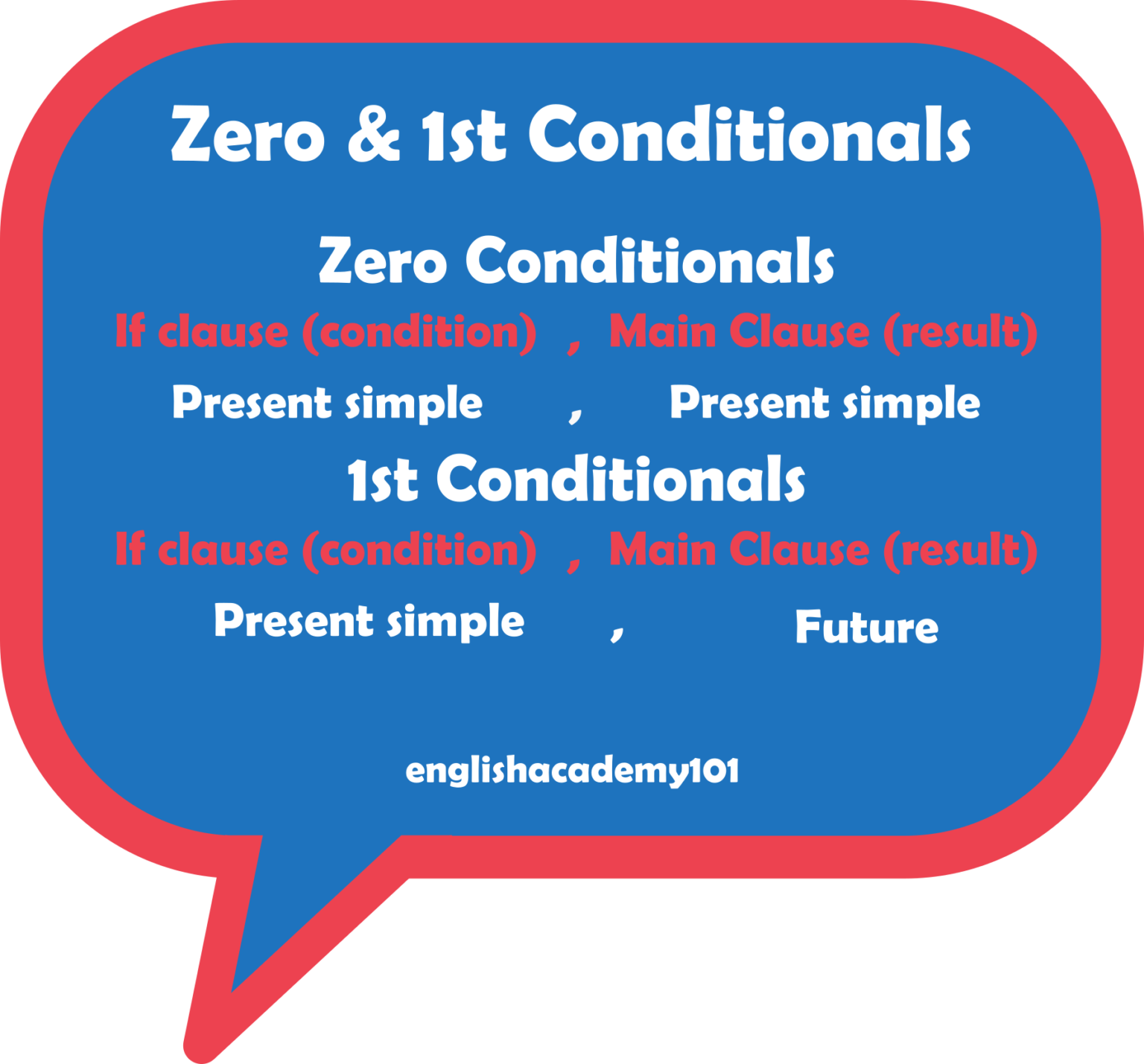
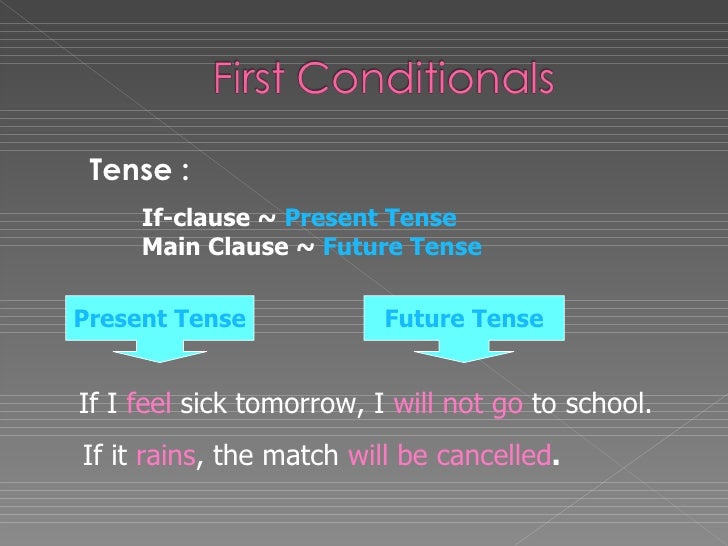
(Episode 7: Zero conditional and First conditional) (Photo by me!) You know, I love books. And coffee. If I have a good book and a cup of Turkish coffee in bed, I stay there until. A equação fica da seguinte forma: O First Conditional é muito usado para retratar situações possíveis ou prováveis. Tal como no Zero Conditional, as orações devem ser. The first conditional is used to talk about the consequences of realistic, likely or possible future events. The first conditional is always used to speak about things which have not happened at.
Learn If-Clauses (First Conditional) with "Hercules". Watch on. Cookie. Duration. Description. cookielawinfo-checkbox-analytics. 11 months. This cookie is set by GDPR Cookie Consent. The first condition describes a specific situation, while the null condition describes what happens in general. For example (zero condition): when you sit in the sun, you burn. Using this site as a reference, the difference between zero and type 1 conditionals is: In type 1 conditional sentences, you can also use modals in the main clause instead of the future tense.
First Conditional Sentence itu Kalimat yang bisa kamu gunakan untuk mengungkapkan suatu aktifitas namun sifatnya masih kemungkinan, bisa saja kamu lakukan. The second conditional is used to talk about unreal and improbable situations. Here we use a past tense in the if-clause and would + infinitive in the result clause. If you worked hard, you would. Types of Conditionals. There are five types of conditionals in English. They are zero conditionals, first conditionals, second conditionals, third conditionals, and mixed conditionals. Each.
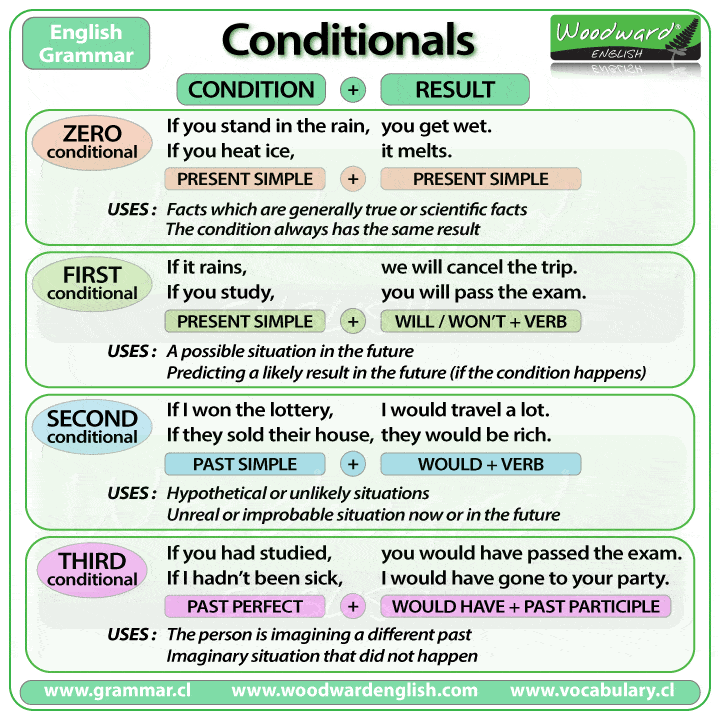
Maybe it is a conditional sentence, but none of those what I called "established" ones.I mean -- I, II, III, zero, or mixed ones. The difference is that in the two green sentences. The ‘zero’ and ‘first’ conditionals are the most frequently used and it’s important to be aware of how to use them and when to use them in sentences. When you form a ‘zero’. Zero Conditional: * something is 100% true; it's always true; scientific facts, laws of nature; First Conditional: * likely to happen in the present or future. There is no problem with.
1 Answer. The zero, or present, conditional, using the present tense in both clauses, means, in the words of ‘An A-Z of English Grammar’ by Leech and others, that ‘the condition. O °Conditional° mais fácil do mundo Como crear? Podemos crear uma frase em 'Zero conditional' com dois verbos no Present Simple (um na 'cláusula if' e outro na 'cláusula principal'): If +. Zero Conditional Sentences. The zero conditional sentences communicate something as a generally accepted fact, scientific/universal truth. We also use zero conditional.
The main difference between the first and second conditionals is how likely the event is to happen. The first conditional includes will, a future word, to show the situation is likely. The second. first conditional: future simple. I will go for a walk tomorrow. This last conjunction, UNLESS means ‘IF…. NOT’ so it has a negative meaning. In Zero Conditionals only, we can also use WHEN as. First Conditional. O First Conditional é muito semelhante ao Zero, já que ambos são usados para coisas lógicas. A diferença é que, no First Conditional, um dos tempos.
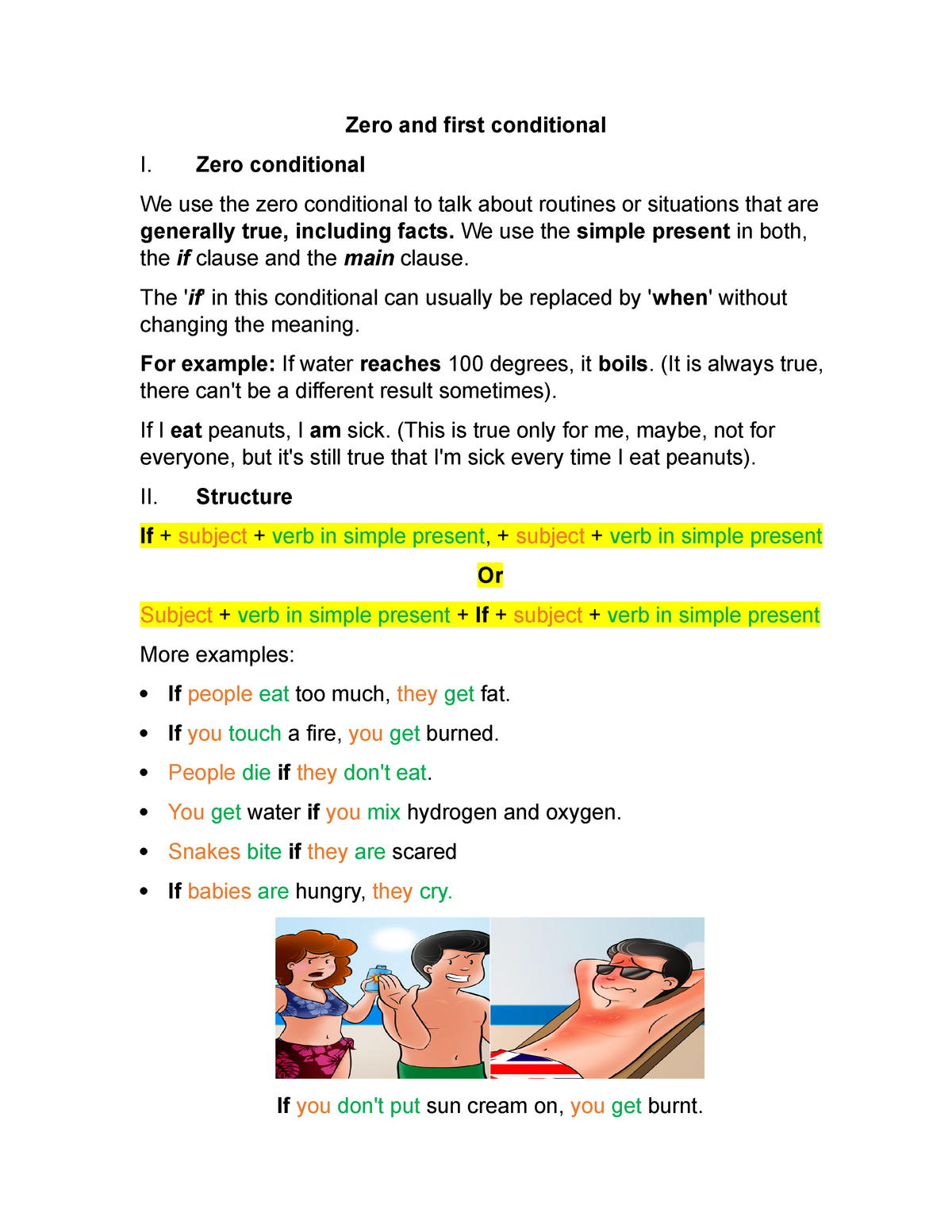
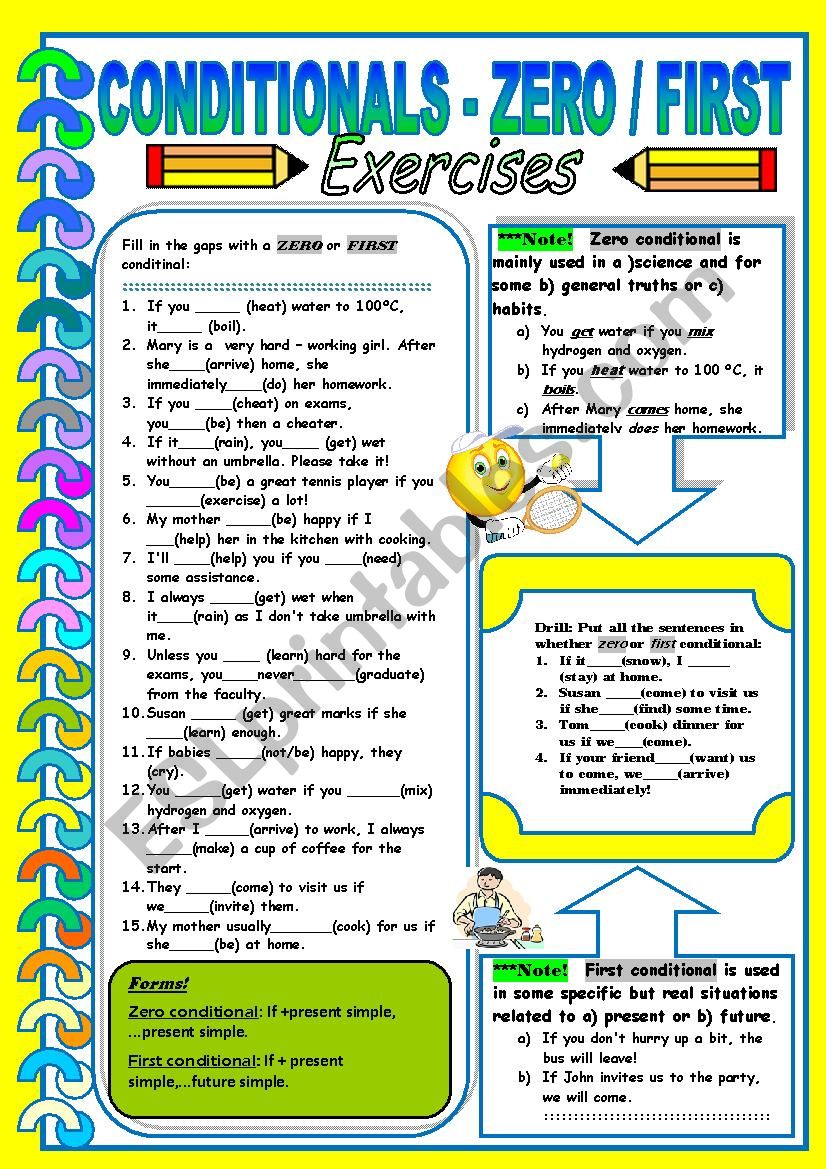
1. Avalie as sentenças abaixo e indique a que tipo de conditional clause elas pertencem. Use (0) para zero, (1) para first e (2) para second conditional. a) ( ) If you pass me your number, I will. Do you know when to use First or Zero Conditional in English? Visit http://www.SkypeEnglishClasses.com for more information, videos, and to learn about our E... If babies are hungry, they cry. See this page about the first conditional to learn about the difference between the first and the zero conditionals. The first conditional is about a specific.
04 Januari 2022 23:06. Jawaban terverifikasi. Halo Aulia, kakak bantu jawab ya :) Jadi, aturan penggunaan conditional sentence type 0 dan type 1 adalah: - Conditional. E.g. 'If you shout at your boss, he'll fire you." So, the zero conditional is for stating what the speaker regards as fact whereas the first conditional is for predicting the result of an. A conditional is a type of sentence that has two parts: the IF CLAUSE and the MAIN CLAUSE. You can also call these two parts the CONDITION and RESULT. The IF.
It should be it dies because zero conditional refers to general truths. It is clear that your sentence is zero because watering trees a scientific truth. ... If there isn't one, we do/we'll. If the temperature drops to zero degrees, it snows (in general). When using the zero conditional, the sentence describes what is generally known to be true all the time, for.